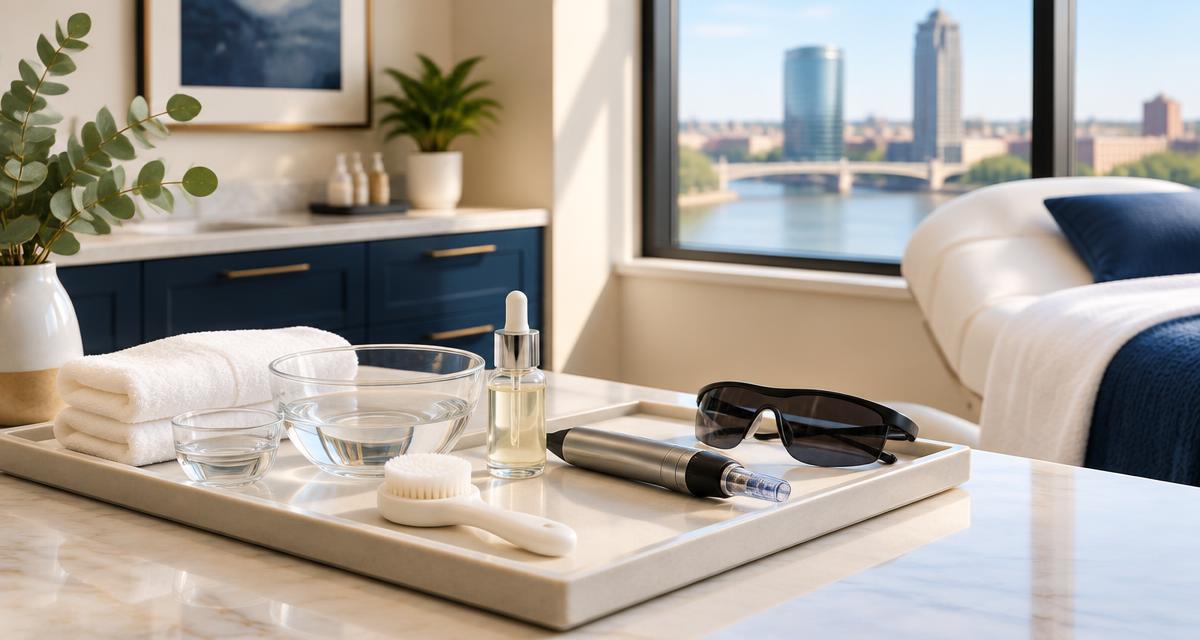
You know you want clearer, smoother, healthier-looking skin. Then you look at a treatment menu and meet five very different options: chemical peels, microneedling, IPL, HydraFacial™, and DermaSweep MD. Each promises renewal. Each works differently. And choosing by the trendiest name instead of the concern you actually want to correct is one of the easiest ways to spend money without getting the result you expected.
Here is the short answer: there is no single best facial treatment for everyone. A chemical peel is often a strong choice for surface discoloration and congested skin. Microneedling is built for collagen remodeling and texture. IPL targets unwanted pigment and visible redness with light. HydraFacial cleanses, extracts, and hydrates with little interruption to your schedule. DermaSweep combines controlled resurfacing with targeted serum infusion. At Remedy+ Hair Restoration & Medical Spa in Grand Rapids, Michigan, the right recommendation begins with your skin—not a device.
This guide compares the treatments directly, answers the questions people commonly ask before booking, and explains when a combination plan may make more sense than choosing only one.
Table of Contents
- The Quick Answer: Match the Treatment to the Concern
- Chemical Peels: Best for Surface Renewal and Discoloration
- Microneedling: Best for Texture and Collagen Remodeling
- IPL PhotoFacial: Best for Brown Spots and Redness
- HydraFacial: Best for Hydration and a Quick Refresh
- DermaSweep MD: Best for Custom Exfoliation and Infusion
- Side-by-Side Treatment Comparison
- Which Treatment Is Best for Your Skin Concern?
- Can You Combine Skin Treatments?
- Planning Around Michigan Seasons
- What Happens at a Skin Consultation?
- Frequently Asked Questions
The Quick Answer: Match the Treatment to the Concern
If you want a simple starting point, use your primary concern:
- Brown spots, sun damage, or facial redness: consider IPL PhotoFacial.
- Acne scars, enlarged pores, fine lines, or uneven texture: consider microneedling.
- Dullness, superficial pigmentation, congestion, or rough surface texture: consider a chemical peel.
- Dehydration, clogged pores, or an event-ready glow with little downtime: consider a HydraFacial.
- Custom resurfacing plus a targeted serum treatment: consider DermaSweep MD.
Those are useful guideposts, not diagnoses. Skin tone, sensitivity, medications, recent sun exposure, active breakouts, pregnancy status, and your tolerance for downtime can change the recommendation. A qualified provider should assess those factors before treatment.
Chemical Peels: Best for Surface Renewal and Discoloration
A chemical peel applies a carefully selected acidic solution to loosen damaged surface cells and accelerate their shedding. Peels range from very superficial treatments with mild flaking to stronger medical-grade options with several visible recovery days. Remedy+ offers the VI Peel®, which is designed to address concerns such as sun damage, acne, uneven tone, fine lines, and hyperpigmentation.
What a chemical peel does best: It works across the skin's surface, where dull cells, clogged pores, and many forms of visible discoloration live. It can make skin look brighter and more even while improving the feel of rough texture. For acne-prone skin, an appropriately selected peel can also help clear pore-clogging debris.
What it feels like: Patients may notice warmth or tingling while the solution is applied. Depending on the peel, tightness and visible flaking can develop over the following days. The skin beneath gradually looks fresher as the treated layer sheds.
Best fit: Someone who prioritizes tone, surface clarity, or active congestion and can follow careful aftercare. A peel may not be appropriate over irritated, sunburned, or compromised skin. Picking or pulling peeling skin can cause irritation and uneven color, so patience matters.
Microneedling: Best for Texture and Collagen Remodeling
Microneedling, sometimes called collagen induction therapy, uses very small controlled channels to activate the skin's natural repair response. Unlike a peel, which focuses heavily on exfoliation at the surface, microneedling is selected when the goal is structural renewal: improving the appearance of acne scars, enlarged pores, fine lines, and uneven texture.
What microneedling does best: It encourages collagen and elastin production over time. That makes it particularly useful when skin texture—not simply dryness or dullness—is the main concern. Results are progressive because collagen remodeling takes weeks to months.
What it feels like: A numbing step is commonly used for comfort. Afterward, skin often appears pink or red and may feel warm or tight, similar to a mild sunburn. Recovery varies with treatment depth and individual sensitivity.
Best fit: Someone willing to trade a short period of redness for gradual improvement in texture. Active infection, inflamed acne, certain medications, or a tendency toward abnormal scarring may affect candidacy and should be discussed first.
IPL PhotoFacial: Best for Brown Spots and Redness
IPL PhotoFacial uses broad-spectrum intense pulsed light rather than needles or exfoliating acids. Carefully selected wavelengths target pigment in brown spots and visible blood vessels. That difference matters: IPL is often the most direct option in this group when unwanted color—rather than rough texture—is the primary issue.
What IPL does best: It can improve the appearance of sun spots, uneven pigmentation, facial redness, and visible vessels. Pigmented spots may temporarily darken before flaking or fading. Redness may improve gradually across a planned series.
What it feels like: Patients often compare each pulse to a quick warm snap. Temporary redness or mild swelling can occur. Sun avoidance before and after treatment is essential because recently tanned skin raises the risk of unwanted pigment changes.
Best fit: Someone with appropriate skin and pigment characteristics who wants to address visible brown or red discoloration. IPL is not interchangeable with a laser, and it is not ideal for every skin tone or every type of pigmentation. A provider must distinguish sun spots from conditions that need different care.
HydraFacial: Best for Hydration and a Quick Refresh
A HydraFacial is a multi-step treatment that cleanses, exfoliates, extracts debris with gentle suction, and delivers hydrating serums. It occupies a different lane from microneedling and IPL: rather than creating a deeper remodeling response or targeting pigment with light, it focuses on cleansing, hydration, and immediate polish.
What HydraFacial does best: It is a practical choice for dry or congested skin, a temporarily dull complexion, or patients who want a fresh look without planning around peeling. Boosters can personalize the session around concerns such as hydration, brightness, or visible signs of aging.
What it feels like: Most patients experience a gentle pulling or swirling sensation from the handpiece. Mild temporary redness is possible, but significant peeling is not the goal.
Best fit: Someone seeking a low-downtime maintenance facial or a refresh before an event. HydraFacial can improve how skin looks and feels immediately, but it is not a substitute for collagen remodeling when deep acne scars or pronounced textural changes are the concern.
DermaSweep MD: Best for Custom Exfoliation and Infusion
DermaSweep MD uses a bristle-tipped system to lift away surface debris while supporting circulation, then delivers a selected infusion onto freshly resurfaced skin. Treatment intensity and infusion choice can be adjusted, which makes DermaSweep useful for patients who want exfoliation tailored to a particular goal.
What DermaSweep does best: It bridges the space between a relaxing maintenance facial and more intensive resurfacing. Depending on the protocol chosen, it can support hydration, brightness, smoother texture, or clearer-looking skin.
What it feels like: The bristle tip creates a controlled brushing sensation. Many patients describe it as comfortable. The skin may look slightly pink afterward, while a refreshed appearance can be noticeable quickly.
Best fit: Someone who wants customizable physical exfoliation and serum infusion with limited downtime. It can also serve as a maintenance option between more corrective treatments when a provider considers the timing appropriate.
Side-by-Side Treatment Comparison
- Chemical peel: best known for surface discoloration, dullness, congestion, and visible exfoliation. Downtime depends on peel strength.
- Microneedling: best known for collagen remodeling, acne-scar texture, pores, and fine lines. Expect temporary redness and progressive results.
- IPL: best known for sun spots and visible redness. Treatment eligibility depends strongly on skin tone, pigment type, and recent sun exposure.
- HydraFacial: best known for cleansing, extraction, hydration, and a quick glow with little downtime.
- DermaSweep: best known for customizable mechanical resurfacing and targeted infusion with limited downtime.
Patients often ask, “Is microneedling or a chemical peel better?” Microneedling generally has the edge for depressed acne scars and deeper textural concerns because its goal is collagen remodeling. A chemical peel often has the edge for surface pigment, dullness, and congestion. If both tone and texture matter, the better answer may be a staged plan—not forcing one treatment to do two different jobs.
Which Treatment Is Best for Your Skin Concern?
Acne and congested pores
For oily congestion and surface buildup, a chemical peel, HydraFacial, or DermaSweep protocol may be considered. For acne scars left after active breakouts settle, microneedling may be more relevant. Active, inflamed acne needs evaluation before aggressive resurfacing.
Acne scars and uneven texture
Microneedling is often the lead option because it is designed to remodel collagen. Superficial discoloration left by acne may respond to a peel or another pigment-focused plan. Scar type matters: rolling, boxcar, ice-pick, raised, and pigmented scars do not all respond the same way.
Sun spots and uneven pigmentation
IPL or a chemical peel may be recommended depending on the pigment, depth, skin tone, and season. IPL targets pigment with light; a peel renews the surface chemically. Daily broad-spectrum sunscreen is essential to protect either result.
Redness and visible vessels
IPL is the most directly targeted option among these five because light energy can address visible vascular color. Persistent or unexplained redness should be assessed before treatment so that a condition such as rosacea is managed appropriately.
Fine lines and early laxity
Microneedling supports collagen renewal, while chemical peels improve surface smoothness and IPL addresses photodamage that can make skin look older. For patients with several age-related concerns, Remedy+ may discuss a broader plan that includes TriBella™, a three-in-one approach combining photofacial, anti-aging, and resurfacing technologies.
Dry, tired, or event-ready skin
HydraFacial and DermaSweep are often easier to fit close to an event because they emphasize hydration, exfoliation, and polish rather than visible peeling or a deeper wound-healing response. Even then, do not try a new treatment immediately before a major occasion; individual reactions vary.
Can You Combine Skin Treatments?
Yes—but “combine” usually means creating a thoughtful sequence, not stacking everything into one appointment. Skin needs time to complete the response triggered by each treatment. Over-treating can damage the barrier, prolong redness, and increase the risk of discoloration.
A plan might use IPL to address visible sun damage, then microneedling later for texture. HydraFacial or DermaSweep may support hydration and maintenance between corrective sessions. Chemical peels can be scheduled strategically when surface renewal is the priority. The exact spacing depends on treatment intensity, skin response, and your provider's assessment.
Think in terms of a treatment calendar rather than a single “miracle” appointment. Corrective work, maintenance, and home care each have a role. Consistent sunscreen, gentle cleansing, moisturization, and professionally recommended active ingredients protect the investment you make in the office.
Planning Skin Treatments Around Michigan Seasons
Grand Rapids weather affects treatment timing. West Michigan's lower-UV months can be convenient for procedures that require strict sun avoidance, including many peel and IPL plans. That does not make sunscreen optional in fall or winter: UVA passes through clouds and windows, and snow can reflect ultraviolet light.
Summer treatment is still possible for many patients, but vacations, outdoor sports, lake weekends, and recent tanning must be part of the conversation. If you cannot avoid direct sun, a low-downtime hydration-focused option may fit your calendar better than a light or resurfacing treatment. Tell your provider about upcoming travel and events so the plan accounts for recovery time.
Seasonal dryness also matters. Indoor heating during a Michigan winter can weaken the moisture barrier, while heat and humidity can increase oil and congestion. Your best treatment in February may not be the one you need in August.
What Happens at a Skin Consultation?
A useful consultation should answer more than “Which facial do you want?” At Remedy+ in Grand Rapids, treatment selection starts with the concern you see, your skin history, current products and prescriptions, prior procedures, sun habits, sensitivity, and the amount of downtime you can realistically accept.
Bring a list or photos of the products you use, especially retinoids, exfoliating acids, acne medications, and prescription creams. Mention cold sores, recent tanning, pregnancy or breastfeeding, allergies, a history of keloid scars, and any procedure performed elsewhere. These details help a provider recommend safely—or tell you when it is better to wait.
The goal is not to choose the most aggressive treatment. It is to choose the least intensive plan likely to produce a meaningful improvement, then reassess. If you are comparing a chemical peel, microneedling, IPL, HydraFacial, and DermaSweep in Grand Rapids, book a consultation with Remedy+. We will evaluate your skin, explain realistic benefits and recovery, and build a plan around your priorities.