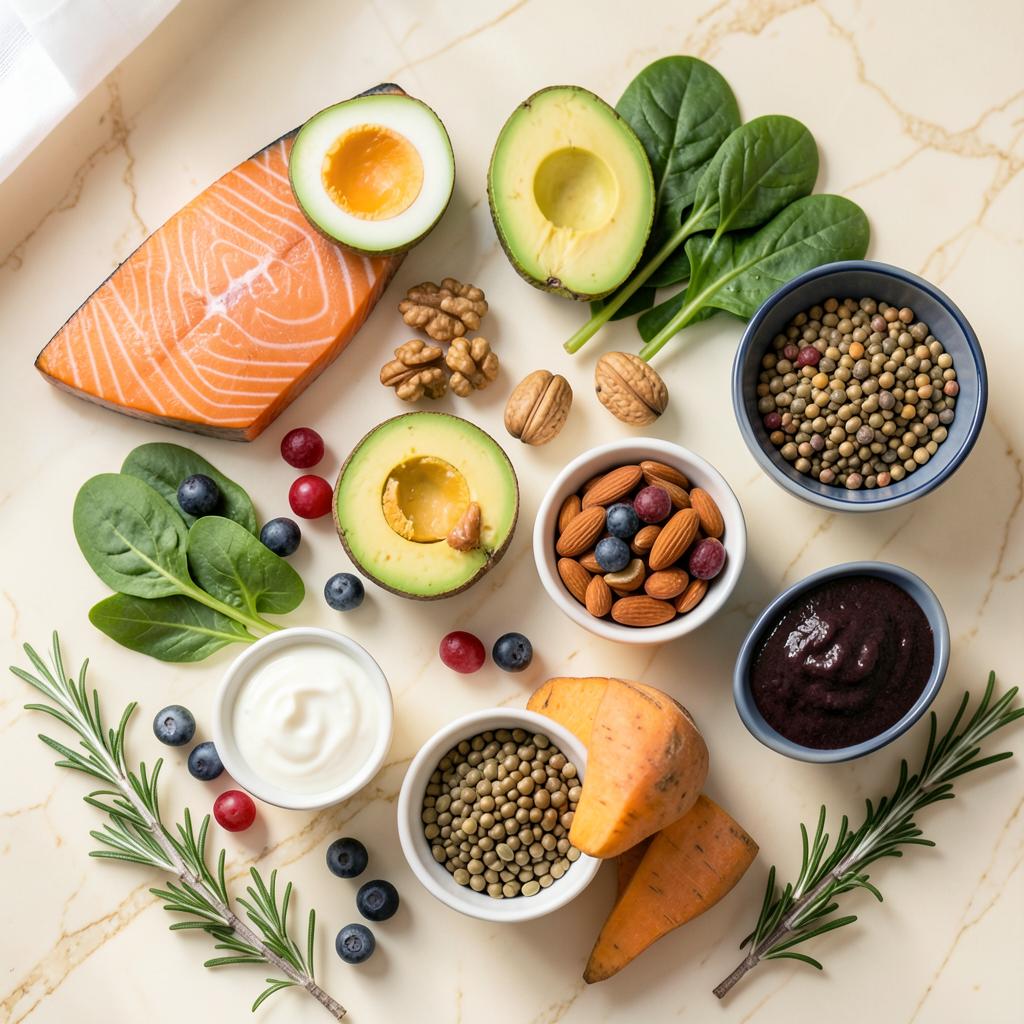
Here's a truth most people learn the hard way: no serum, shampoo, or laser cap can out-perform a bad diet. Your hair follicles are among the most metabolically active structures in your entire body — they divide faster than almost any other cell — and they are ruthlessly first in line to be rationed when your nutrition falls short. When the body has to choose between fueling your heart and fueling your hair, hair loses every time.
That's why at Remedy+ Hair Restoration & Medical Spa in Grand Rapids, every hair restoration consultation includes a conversation about what you're eating. Nutrition won't regrow a fully bald area the way a SmartGraft FUE transplant can, but it determines the quality, thickness, and growth rate of every strand you still have — and it directly affects how well treatments like PRP, medication, and supplements work. This guide covers the top diet for growing hair: the nutrients that matter most, the foods that deliver them, and the eating patterns that secretly cause shedding.
Table of Contents
- Why Diet Matters More Than You Think
- 1. Protein: The Raw Material of Hair
- 2. Iron: The Most Common Hidden Cause of Shedding
- 3. Omega-3 Fatty Acids: Fuel for the Follicle
- 4. Biotin and the B Vitamins
- 5. Zinc and Selenium: Small Minerals, Big Impact
- 6. Vitamin D: The Hormone Your Hair Needs
- 7. Antioxidants and Vitamin C
- The Diets That Quietly Cause Hair Loss
- A Sample Day on a Hair-Growth Diet
- When Diet Isn't Enough
Why Diet Matters More Than You Think
Each hair on your head grows from a follicle that cycles through three phases: anagen (active growth, lasting 2–7 years), catagen (a short transition), and telogen (resting, after which the hair sheds). Roughly 85–90% of your hair should be in anagen at any given time. When your body is under nutritional stress — too few calories, too little protein, a missing mineral — it responds by prematurely pushing follicles out of anagen and into telogen. Two to three months later, those hairs fall out in a diffuse shed called telogen effluvium.
This delay is exactly why diet-related hair loss is so often missed. The crash diet you did in January shows up as shedding in March. The iron you've been low on all year quietly shortens your growth phase until your ponytail is noticeably thinner. The good news: nutritional hair loss is one of the most reversible forms of thinning there is, once you know what to fix.
1. Protein: The Raw Material of Hair
Hair is made almost entirely of keratin — a protein. If your diet doesn't supply enough amino acids, your body simply cannot build strong hair, full stop. Chronic low protein intake leads to strands that grow slowly, emerge thinner, and break easily.
What to eat: Eggs (a near-perfect protein with bonus biotin), salmon and other fatty fish, chicken and turkey, Greek yogurt, cottage cheese, lentils, chickpeas, tofu, and quinoa. Most adults do well aiming for roughly 0.8–1 gram of protein per kilogram of body weight daily — and more if you're active or over 50, when protein absorption becomes less efficient.
If you follow a plant-based diet, pay extra attention here. Plant proteins are often lower in certain amino acids like lysine, which plays a documented role in hair growth. Combining legumes with whole grains across the day covers your bases.
2. Iron: The Most Common Hidden Cause of Shedding
Iron deficiency is one of the most common — and most overlooked — causes of hair loss in women, and it shows up in men more often than you'd expect. Iron is essential for producing hemoglobin, which carries oxygen to your follicles, and it also plays a direct role in the DNA synthesis of rapidly dividing hair matrix cells. You can be low in ferritin (stored iron) without being anemic, and still shed.
What to eat: Red meat in moderation (the most absorbable heme iron), shellfish, spinach, lentils, pumpkin seeds, and fortified cereals. Pair plant-based iron sources with vitamin C — a squeeze of lemon on spinach or berries with your oatmeal dramatically increases absorption. Coffee and tea do the opposite; keep them an hour away from iron-rich meals.
Physician's note: This is one nutrient where we recommend testing before supplementing. Too much iron is harmful, and a simple ferritin blood test tells us exactly where you stand. It's part of the lab work we often discuss during hair loss consultations.
3. Omega-3 Fatty Acids: Fuel for the Follicle
Omega-3s are the fats your cell membranes — including the membranes of follicle cells — are built from. They also calm inflammation, which matters because low-grade scalp inflammation is increasingly linked to pattern hair loss. Studies have shown that omega-3 and omega-6 supplementation can improve hair density and reduce the proportion of hairs in the shedding phase.
What to eat: Salmon, sardines, mackerel, and anchovies two to three times per week. Plant-based options include walnuts, flaxseed, chia seeds, and hemp seeds — though the conversion of plant omega-3s (ALA) into the forms your body uses (EPA and DHA) is limited, so fatty fish remains the gold standard.
4. Biotin and the B Vitamins
Biotin (vitamin B7) is the most famous hair vitamin — and also the most oversold. True biotin deficiency is rare, and megadose biotin supplements only help hair if you were deficient to begin with. But the broader B-vitamin family genuinely matters: B12, folate, and riboflavin all support red blood cell production and the rapid cell division happening in every follicle.
What to eat: Eggs (cooked — raw egg whites actually block biotin absorption), salmon, sweet potatoes, almonds, avocados, leafy greens, and nutritional yeast. Rather than chasing isolated megadoses, a balanced B-complex intake from food — or a well-formulated hair supplement like Nutrafol, which we carry in-clinic — is the smarter route.
5. Zinc and Selenium: Small Minerals, Big Impact
Zinc is involved in hair tissue growth and repair, and it keeps the oil glands around follicles working properly. Low zinc is a documented trigger for telogen effluvium — but here's the catch: excess zinc causes shedding too, and high zinc intake depletes copper, another mineral hair needs. This is a "Goldilocks" nutrient.
What to eat: Oysters (the single richest source of zinc), beef, pumpkin seeds, lentils, and chickpeas. For selenium, just one or two Brazil nuts a day covers your entire requirement — don't overdo it.
6. Vitamin D: The Hormone Your Hair Needs
Vitamin D receptors live in your hair follicles and help kick off the anagen growth phase. Low vitamin D is consistently associated with both alopecia areata and diffuse thinning — and here in Michigan, where sunlight is scarce from October through April, deficiency is extremely common. This is one of the first things worth checking if your hair started thinning over a Midwest winter.
What to eat: Fatty fish, fortified dairy and plant milks, egg yolks, and UV-exposed mushrooms. Food alone rarely corrects a true deficiency, so this is another nutrient where a blood test and targeted supplementation make sense.
7. Antioxidants and Vitamin C
Oxidative stress — damage from free radicals — ages your follicles just like it ages your skin. Vitamin C is a double threat for hair: it's a potent antioxidant, and it's required to synthesize collagen, the structural protein that surrounds and supports each follicle. Vitamin E and the carotenoids in colorful produce add another layer of protection.
What to eat: Berries, citrus, bell peppers, kiwi, broccoli, sweet potatoes (loaded with beta-carotene, which your body converts to vitamin A for scalp sebum production), and a daily handful of nuts for vitamin E.
The Diets That Quietly Cause Hair Loss
What you don't eat matters as much as what you do. These are the patterns we see most often behind diet-related shedding:
- Crash dieting and aggressive calorie restriction. Losing weight very quickly is a classic telogen effluvium trigger. Aim for slow, sustainable loss — no more than 1–2 pounds per week — and keep protein high while you do it. If you're on a medical weight loss program, this conversation is especially important to have with your provider.
- Very low-fat diets. Dietary fat is needed to absorb vitamins A, D, E, and K, and to produce the hormones that regulate hair growth.
- Unbalanced vegan or vegetarian diets. Plant-based eating can be perfectly hair-healthy, but iron, zinc, B12, and complete protein require deliberate planning.
- High-mercury fish in excess. Large predatory fish like swordfish, king mackerel, and bigeye tuna have actually been linked to hair shedding when eaten frequently. Stick to low-mercury options like salmon, sardines, and trout.
- Excess sugar and ultra-processed food. High glycemic diets promote inflammation and can worsen the hormonal drivers of pattern hair loss.
- Heavy alcohol use. Alcohol interferes with zinc, iron, and protein absorption — a triple hit to hair.
A Sample Day on a Hair-Growth Diet
Putting it all together, a hair-optimized day of eating looks something like this:
- Breakfast: Greek yogurt with blueberries, ground flaxseed, and walnuts, plus two eggs.
- Lunch: Spinach salad with grilled salmon, chickpeas, bell peppers, avocado, and a lemon-olive oil dressing.
- Snack: A handful of almonds and pumpkin seeds, or a Brazil nut or two.
- Dinner: Lentil and sweet potato curry with a side of roasted broccoli.
- Hydration: Water throughout the day — follicles are sensitive to dehydration too.
No exotic superfoods required — just consistent, protein-forward, colorful whole foods.
When Diet Isn't Enough
Diet is the foundation, but it's important to be honest about its limits. If you have androgenetic alopecia (genetic pattern hair loss), no amount of salmon and spinach will stop DHT from miniaturizing susceptible follicles. That's a medical condition that responds to medical treatment: prescription options like finasteride and minoxidil, in-office PRP therapy, the Revian Red light system, and, for areas that have stopped producing hair, FUE hair transplantation.
Think of nutrition as the soil and treatments as the seed: the best results come from optimizing both. That's also why we often recommend a clinically formulated supplement such as Nutrafol or Viviscal PRO alongside dietary changes — they fill the gaps that even a great diet can leave.
If you've been shedding for more than three months, if your part is widening, or if your diet checks every box and your hair is still thinning, it's time for a proper diagnosis. At Remedy+ in Grand Rapids, we evaluate the full picture — nutrition, hormones, genetics, and scalp health — and build a plan around your actual cause of loss. Book a consultation and let's figure out what your hair needs.